
The Countdown to Summer's Defining Moments
As June 2026 arrives, the ultrarunning world finds itself in peak anticipation mode. With Western States 100 just weeks away and UTMB preparations intensifying globally, athletes and fans alike are absorbing every lesson from a spring season that delivered world records, breakthrough performances, and fresh scientific insights. This week's developments confirm what dedicated followers already sense: ultrarunning has never been more dynamic.
Tyler Andrews Conquers Everest at Record Pace
American trail runner and mountaineer Tyler Andrews has claimed the oxygen-assisted speed record on Mount Everest, completing the Base Camp to summit ascent in just under 10 hours. As reported by iRunFar, Andrews' achievement sits at the fascinating intersection of elite trail running fitness and high-altitude mountaineering—a reminder that the boundaries of endurance sport remain fluid.
The record highlights a growing trend: ultrarunners increasingly testing themselves in alpine environments that demand not just cardiovascular capacity but technical mountaineering skills. Andrews joins a lineage of athletes proving that trail running conditioning translates powerfully to vertical challenges.
Satu Lipiäinen's 6-Hour World Record Stands
Finland's Satu Lipiäinen continues to receive deserved attention for her recent women's 6-hour world record of 85.712 kilometers (53.258 miles). The performance, covered extensively by iRunFar, showcased extraordinary pacing discipline—averaging approximately 4:12 per kilometer for six consecutive hours.
Timed ultra events occupy a unique psychological space, demanding that athletes balance aggression with sustainability without the familiar milestones of point-to-point racing. Lipiäinen's record demonstrates Finland's continued emergence as an ultrarunning powerhouse.
Zegama's Afterglow: Alexandersson and Elazzaoui Cement Legacies
The 2026 Zegama-Aizkorri Marathon remains fresh in collective memory after Tove Alexandersson claimed a new course record while Elhousine Elazzaoui defended his 2025 title. The Swedish and Moroccan champions demonstrated why Zegama endures as trail running's most demanding theater—42 kilometers through Basque mountain terrain that rewards technical mastery and climbing power equally.
Spain's Malen Osa earned second place in the women's race, while Daniel Pattis and Sara Alonso rounded out podium positions, confirming the depth of international talent converging on this legendary event each May.
Heat Training Science: The Optimization Imperative
With Western States and summer racing approaching, training guidance from RunUltra emphasizes a critical distinction that coaches are stressing: optimization over maximization. The goal isn't accumulating maximum heat exposure but triggering physiological adaptations efficiently while avoiding chronic stress that compromises race-day freshness.
Key protocols for athletes targeting hot-weather ultras include:
- 10-14 days of structured heat exposure before target events
- Limiting intensity during acclimatization to prevent compounding fatigue
- Prioritizing sleep quality—heat exposure disrupts recovery more than athletes realize
- Monitoring morning heart rate as an early warning system for maladaptation
For those racing Western States, Badwater, or European summer ultras, these principles offer a framework for arriving at start lines heat-adapted yet fresh.
Gear Innovation Continues: OMM Trail Shoes and Mountain to Coast T1
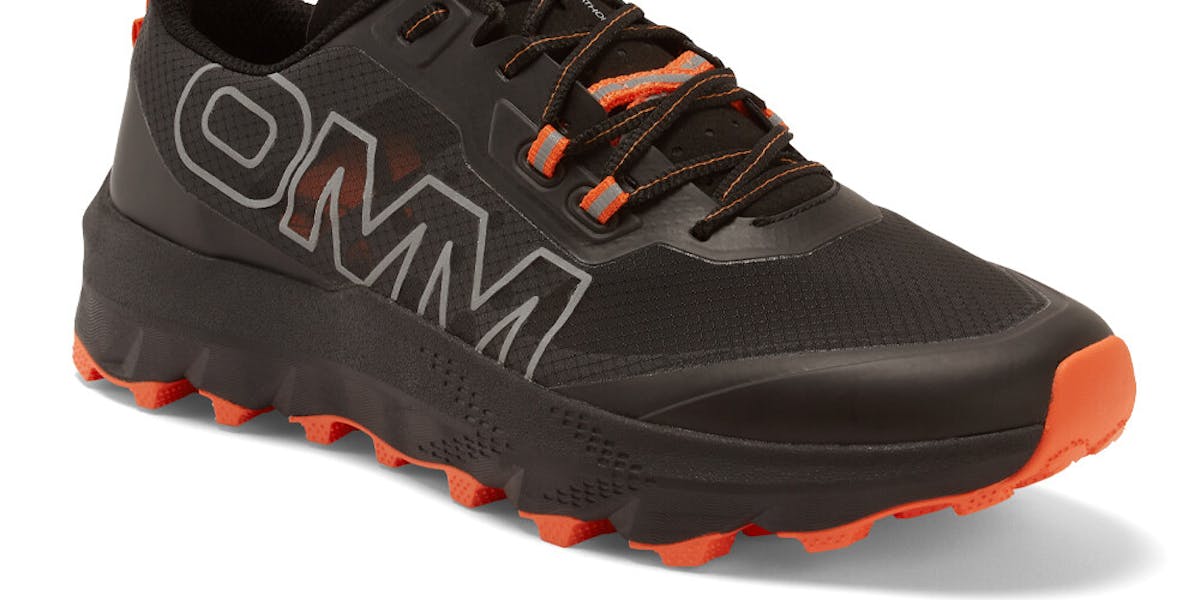
RunUltra's gear coverage highlights new releases commanding attention. The OMM Trail shoes are generating buzz among fell runners for their lightweight construction and aggressive lugs optimized for UK mountain conditions—though testers note they'll perform on any technical terrain.
Meanwhile, the Mountain to Coast T1 represents the growing road-to-trail category, addressing athletes who transition between surfaces during training and racing. The convergence of road running technology with trail durability continues driving innovation across brands.
Industry Watch: St. Louis Secures 2028 Olympic Marathon Trials
In marathon news with ultrarunning implications, Runner's World reports that St. Louis has won the bid to host the 2028 U.S. Olympic Marathon Trials. The city's running heritage—including the infamous 1904 Olympic marathon—ensures a storied backdrop for the event that often serves as a pipeline to ultra distances.
The relationship between elite marathon running and ultramarathoning grows increasingly symbiotic, with athletes like Molly Seidel transitioning from Olympic bronze to trail racing prominence. St. Louis 2028 will undoubtedly produce future ultrarunning stars.
Looking Ahead: Western States and Beyond
The ultrarunning calendar now accelerates toward its summer crescendo. Western States 100 promises a historically deep field in late June, while UltraRunning Magazine reports that backyard ultra participation continues explosive growth—the last-person-standing format proving irresistible to both participants and spectators.
The European Off-Road Running Championships in Slovenia offer another marquee event this summer, while RunUltra's coverage of Swiss Canyon Trail and Lake District Running Festival confirms the UK scene remains vibrant.
The Fundamentals Persist
For those racing this weekend or building toward autumn goals, the principles remain unchanged: consistent training, strategic recovery, and deep respect for distances that define ultrarunning. June 2026 reminds us that world records fall, new stars emerge, and the community that binds this sport grows stronger with each passing season.
Whether you're tapering for Western States, building base for fall hundreds, or simply enjoying summer trails, the sport's trajectory points unmistakably upward—one record, one finish line, one committed runner at a time.